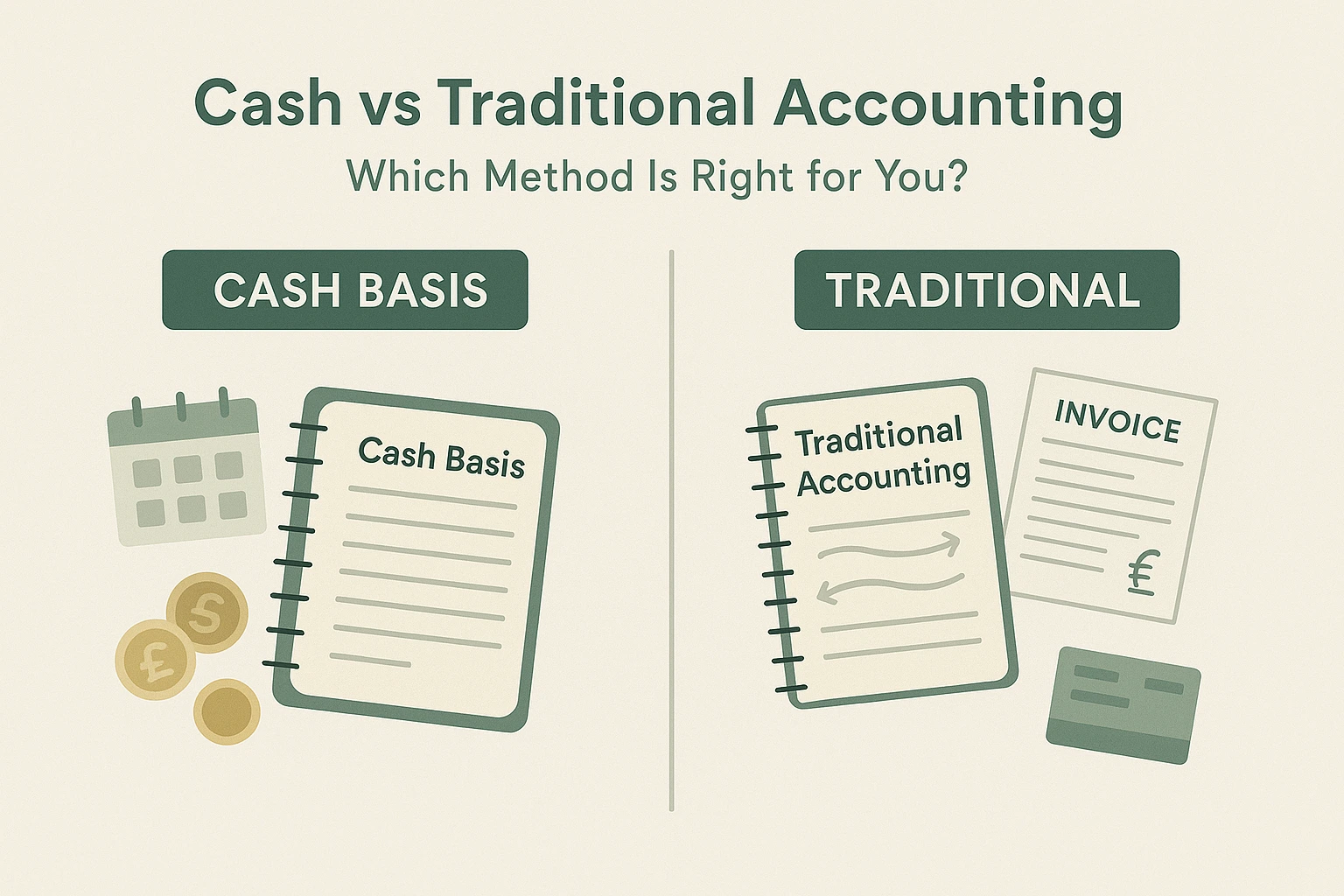
Cash Basis vs Traditional Accounting: Which Is Right for Your Business?
Understand the difference between cash basis and traditional accounting. Learn which method is best for your business structure, especially if you’re a sole trader or in a partnership.
Traditional Accounting vs. Cash Basis: Choosing the Right Method for Your Business
Choosing the right accounting method is crucial for managing your business finances effectively. Two primary methods are traditional accounting and cash basis accounting. Understanding their differences can help you decide which is best for your business, especially if you’re a sole trader or part of a partnership with a combined annual turnover of less than £150,000.
Traditional Accounting
Traditional accounting, also known as accrual accounting, requires you to pay tax and claim expenses based on the date of the invoice or billing. This method provides a comprehensive view of your financial status, as it accounts for all earned income and incurred expenses, regardless of when the cash is actually received or paid.
Cash Basis Accounting
Cash basis accounting, on the other hand, simplifies the process by focusing on when money actually enters or leaves your account. This method is particularly beneficial for small businesses with a turnover under £150,000. It aligns your tax liabilities with your cash flow, making it easier to manage finances and avoid cash flow issues.
Advantages of Traditional Accounting
Traditional accounting offers a detailed and accurate financial picture, which is essential for larger businesses or those with complex financial transactions. It helps in better financial planning and management, providing insights into your business’s profitability over time. However, it can be more complex and time-consuming due to the need to track and report on outstanding invoices and accrued expenses.
Advantages of Cash Basis Accounting
Cash basis accounting is simpler and more straightforward, making it ideal for small businesses and sole traders. It reduces the administrative burden as you only need to account for actual cash transactions. This method also helps in managing cash flow more effectively, as you only pay tax on money that has been received, not on future receivables.
Disadvantages to Consider
Each method has its disadvantages. Traditional accounting can be complex and may require professional help, which can be costly. Cash basis accounting, while simpler, may not provide an accurate long-term view of your business’s financial health, as it does not account for outstanding invoices or future liabilities.
Making the Right Choice
Deciding between traditional accounting and cash basis accounting depends on your business size, complexity, and financial management needs. Smaller businesses with straightforward finances may benefit from the simplicity of cash basis accounting, while larger or growing businesses might need the detailed insights provided by traditional accounting.
Conclusion
Both traditional and cash basis accounting have their merits. Understanding their differences and implications can help you make an informed decision that aligns with your business needs. Regularly reviewing your accounting method as your business evolves ensures you remain compliant and manage your finances effectively.

About Golden Tree Consulting
AAT Licensed | ACCA Affiliated
Golden Tree Accounting & Business Consulting provides expert tax, bookkeeping, and advisory services to sole traders and SMEs across Croydon, London, Surrey, and Kent. With multilingual support and decades of combined experience, we help businesses stay compliant and grow.
More Articles You Might Like
Continue exploring our financial insights
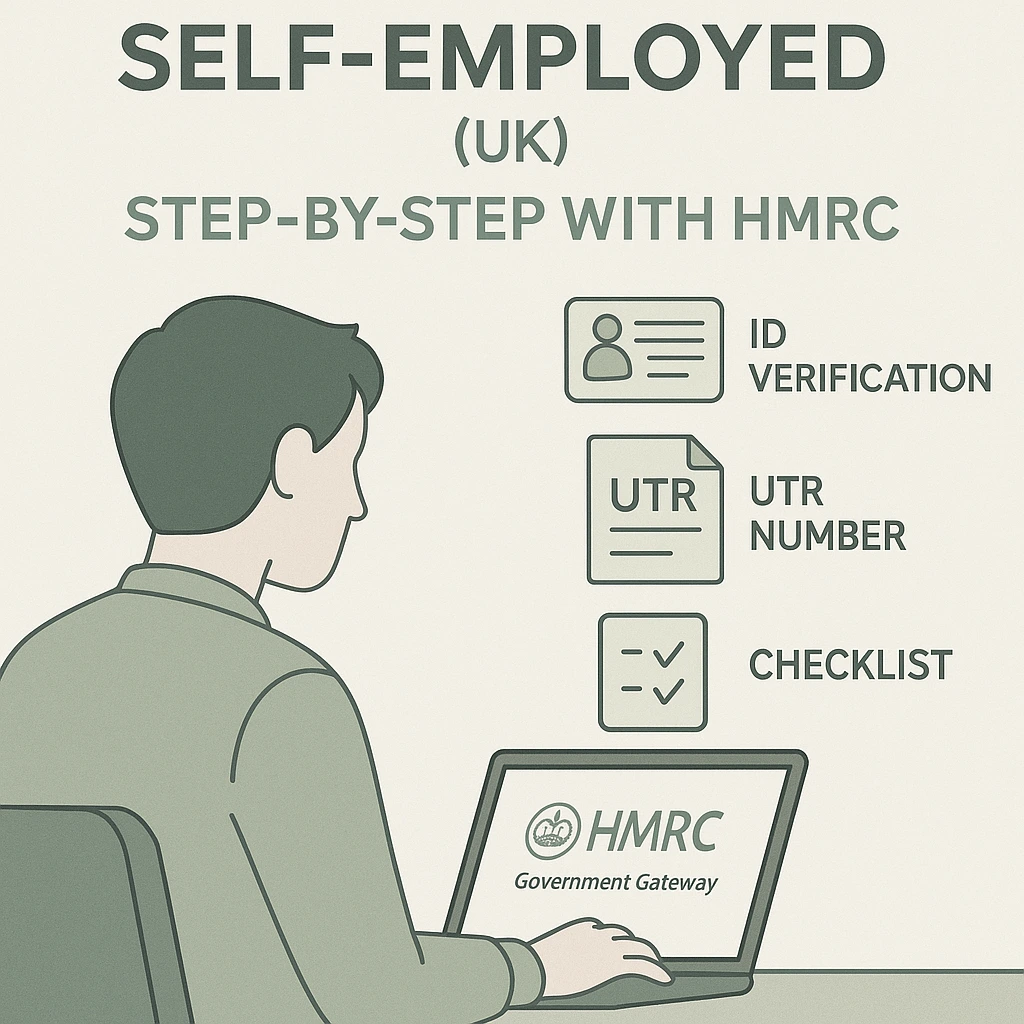
Registering as Self-Employed with HMRC: Step-by-Step UK Guide
Learn how to register as self-employed with HMRC, set up your Government Gateway account, and manage your tax duties. Follow this simple step-by-step guide.
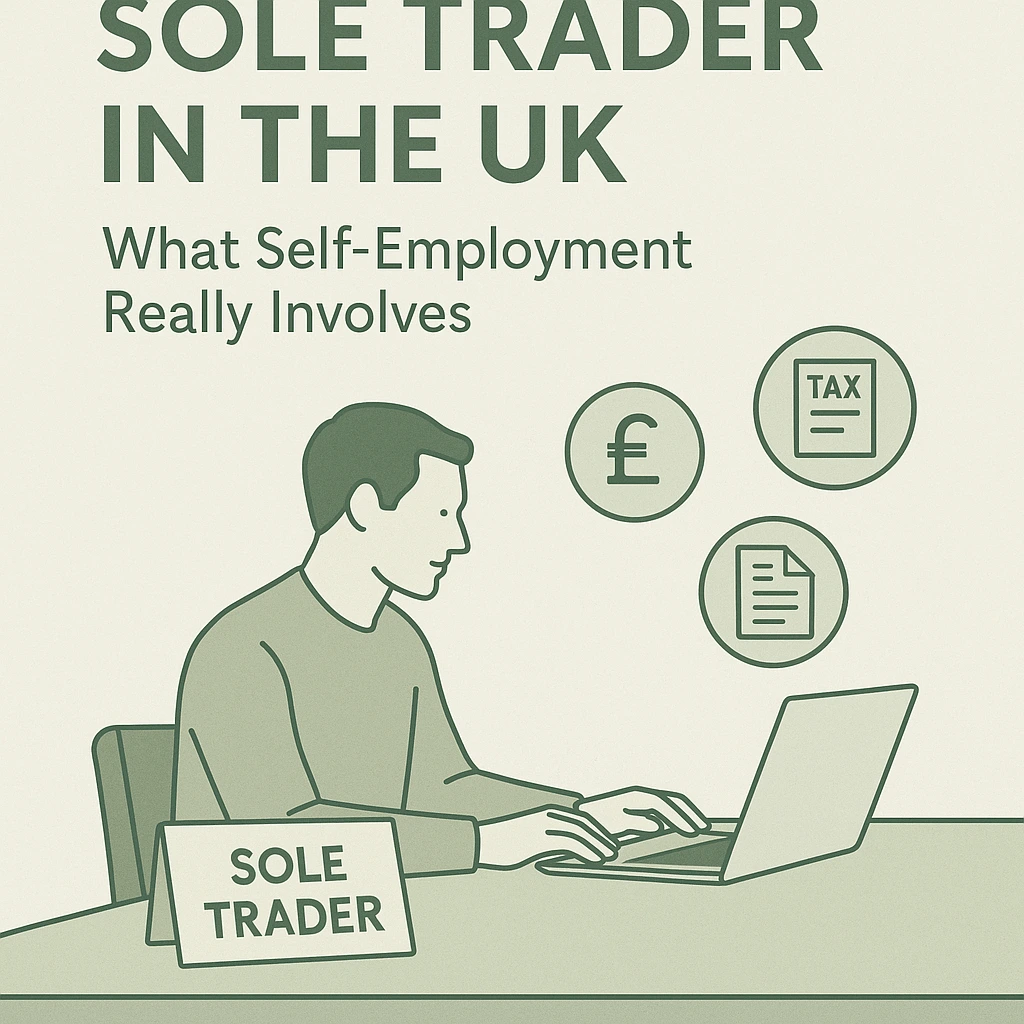
Sole Trader Guide UK: Responsibilities, Setup & Self-Employment Explained
Thinking of becoming a sole trader? Learn what self-employment involves, your responsibilities, and how sole traders differ from LTDs or partnerships in the UK.

MTD for Income Tax UK: April 2026 Checklist for Sole Traders and Landlords
MTD for Income Tax starts in April 2026 for many sole traders and landlords. Use this practical checklist to get ready, avoid penalties, and file with confidence.