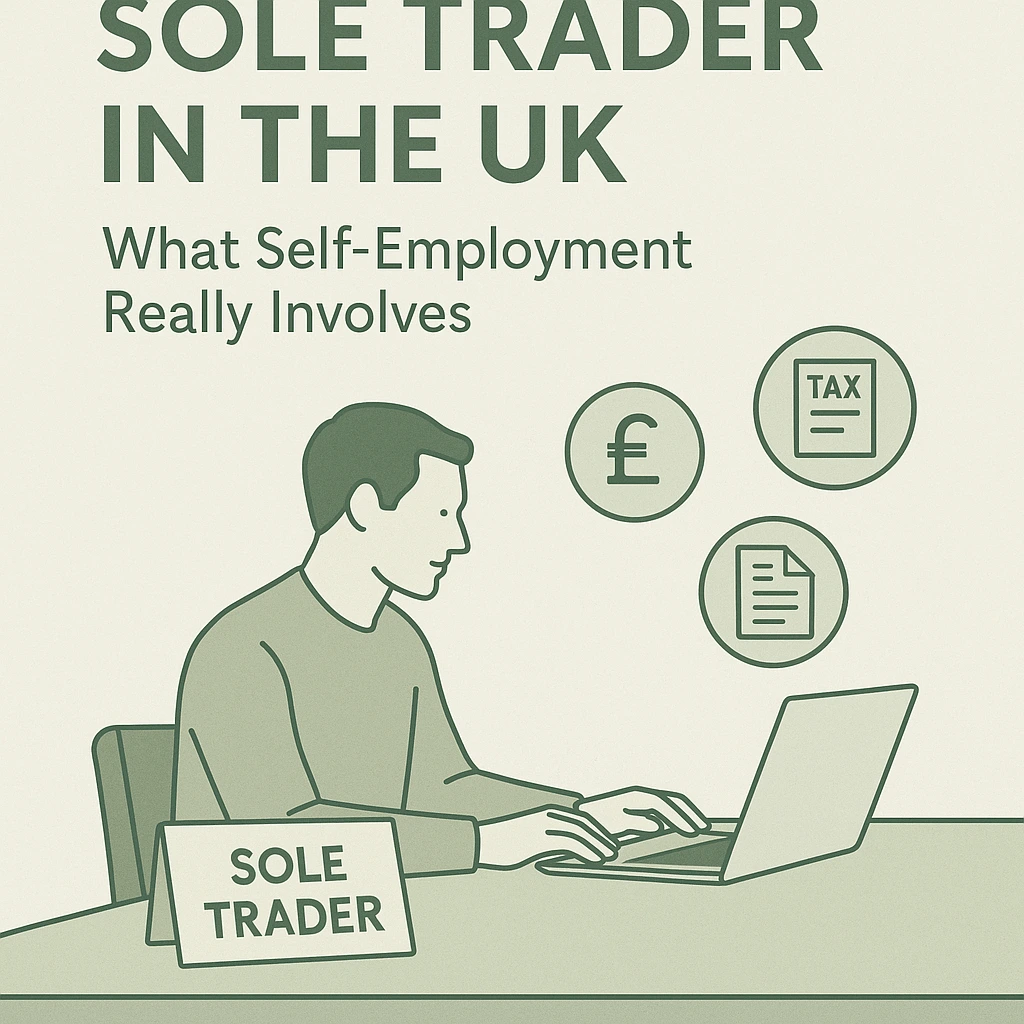
Sole Trader Guide UK: Responsibilities, Setup & Self-Employment Explained
Thinking of becoming a sole trader? Learn what self-employment involves, your responsibilities, and how sole traders differ from LTDs or partnerships in the UK.
Understanding Sole Traders: A Comprehensive Guide to Self-Employment
Being self-employed encompasses various employment and tax statuses, including sole traders, freelancers, and gig economy workers. As a sole trader, you run your own business and take full responsibility for its success or failure. This guide explores what it means to be a sole trader and the key responsibilities involved.
Defining a Sole Trader
A sole trader operates a business independently and is solely responsible for its operations. You might be a sole trader even if you haven’t officially registered with HM Revenue and Customs (HMRC). Key characteristics include:
- Running your business yourself.
- Deciding how, where, and when you work.
- Hiring others at your own expense.
- Providing the main equipment for your work.
- Serving multiple customers simultaneously.
- Taking responsibility for completing unsatisfactory work.
- Charging fixed prices for your services.
- Selling goods or services for profit, including online.
Combining Employment and Self-Employment
It’s possible to be both employed and self-employed simultaneously. For instance, you might work a regular job during the day and run your own business in the evenings. This dual status allows for flexibility and the opportunity to build a business while maintaining steady employment.
Business Partnerships
Sole traders can also form business partnerships, collaborating with one or more partners. In a partnership, you and your partners also share responsibilities, including:
- Any losses incurred by the business.
- Bills for business expenses like stock and equipment.
- Sharing profits, with each partner paying tax on their share.
Responsibilities and Tax Implications
As a sole trader, you must keep detailed financial records, submit annual Self Assessment tax returns, and pay income tax and National Insurance on your earnings. It’s crucial to maintain accurate records to ensure compliance with HMRC regulations and to manage your tax liabilities effectively.
Advantages and Challenges
Operating as a sole trader offers numerous advantages, such as full control over business decisions and the ability to keep all profits. However, it also comes with challenges, including personal liability for business debts and the responsibility of managing all aspects of the business.
Conclusion
Being a sole trader provides the freedom to run your business independently while offering flexibility in work arrangements. Understanding the responsibilities and tax implications is essential for success. Whether you are considering starting your own business or already operating as a sole trader, staying informed and compliant with regulations will help you thrive.
About Golden Tree Consulting
AAT Licensed | ACCA Affiliated
Golden Tree Accounting & Business Consulting provides expert tax, bookkeeping, and advisory services to sole traders and SMEs across Croydon, London, Surrey, and Kent. With multilingual support and decades of combined experience, we help businesses stay compliant and grow.
More Articles You Might Like
Continue exploring our financial insights
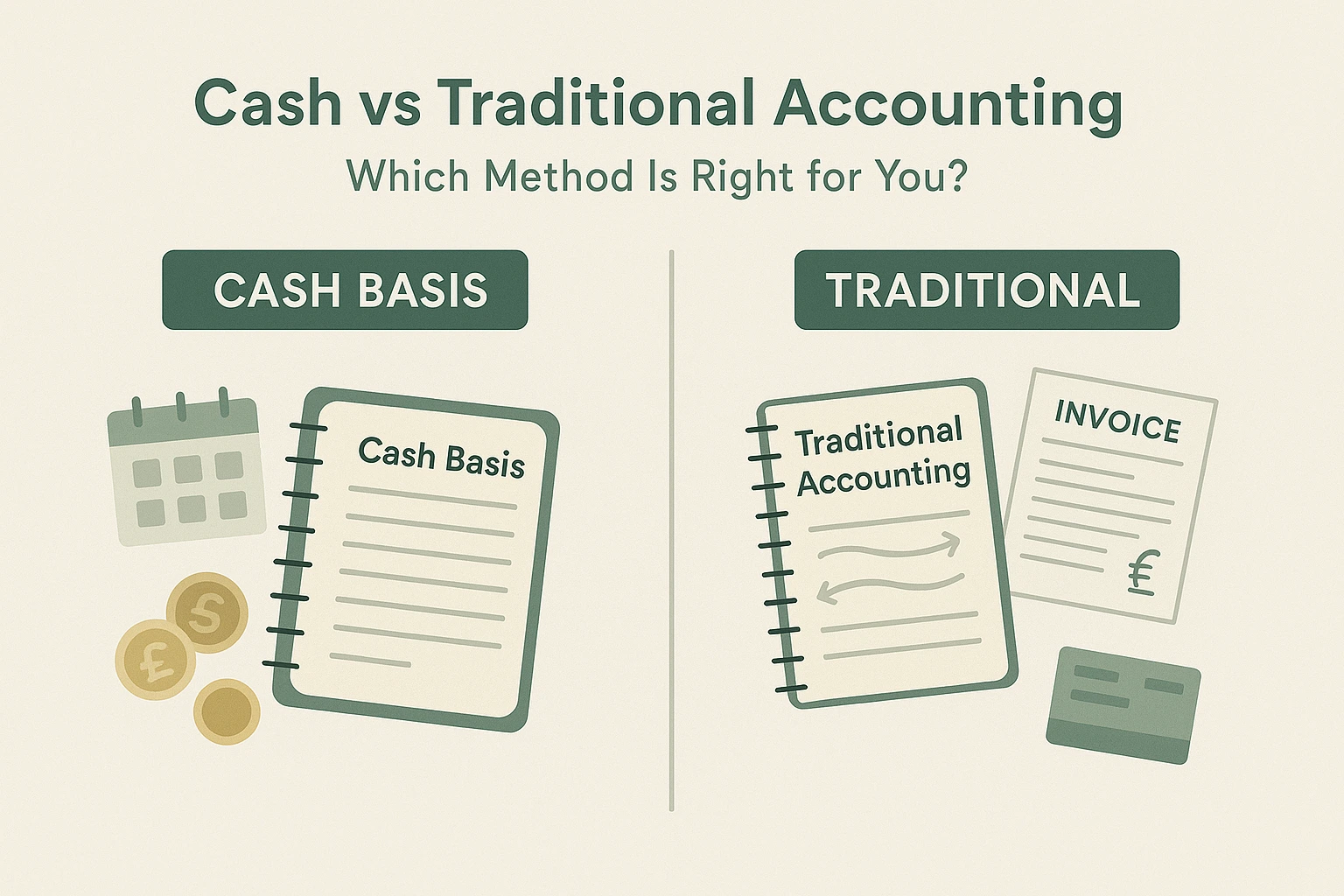
Cash Basis vs Traditional Accounting: Which Is Right for Your Business?
Understand the difference between cash basis and traditional accounting. Learn which method is best for your business structure, especially if you’re a sole trader or in a partnership.
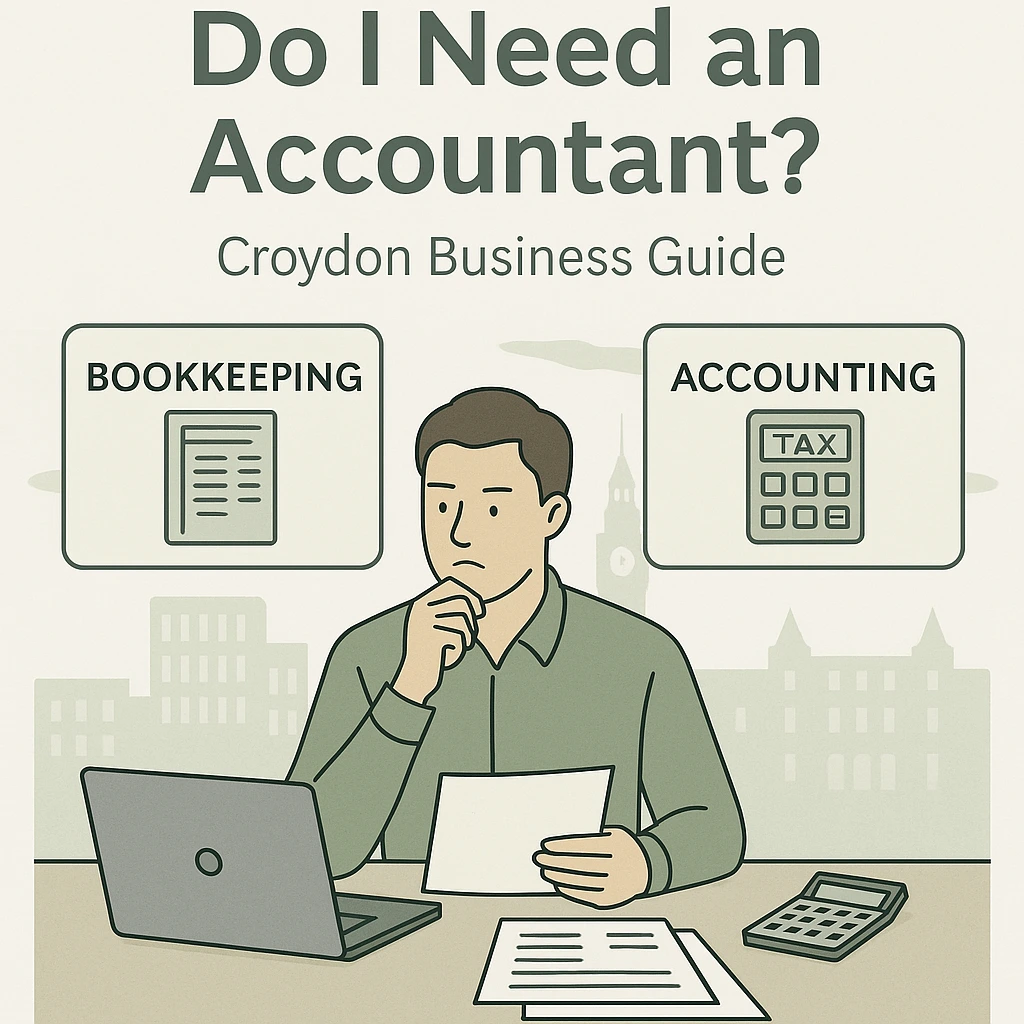
Do I Need an Accountant for My Croydon Business?
Not sure if your Croydon business needs an accountant? Learn the difference between bookkeeping and accounting, and when it’s time to get professional help.
How to Choose the Right Local Accountant in Surrey, Kent & London
Looking for an accountant in Croydon, Reigate, or Surrey? Learn how to choose a local accountant who understands small business finances and helps you save time and money.